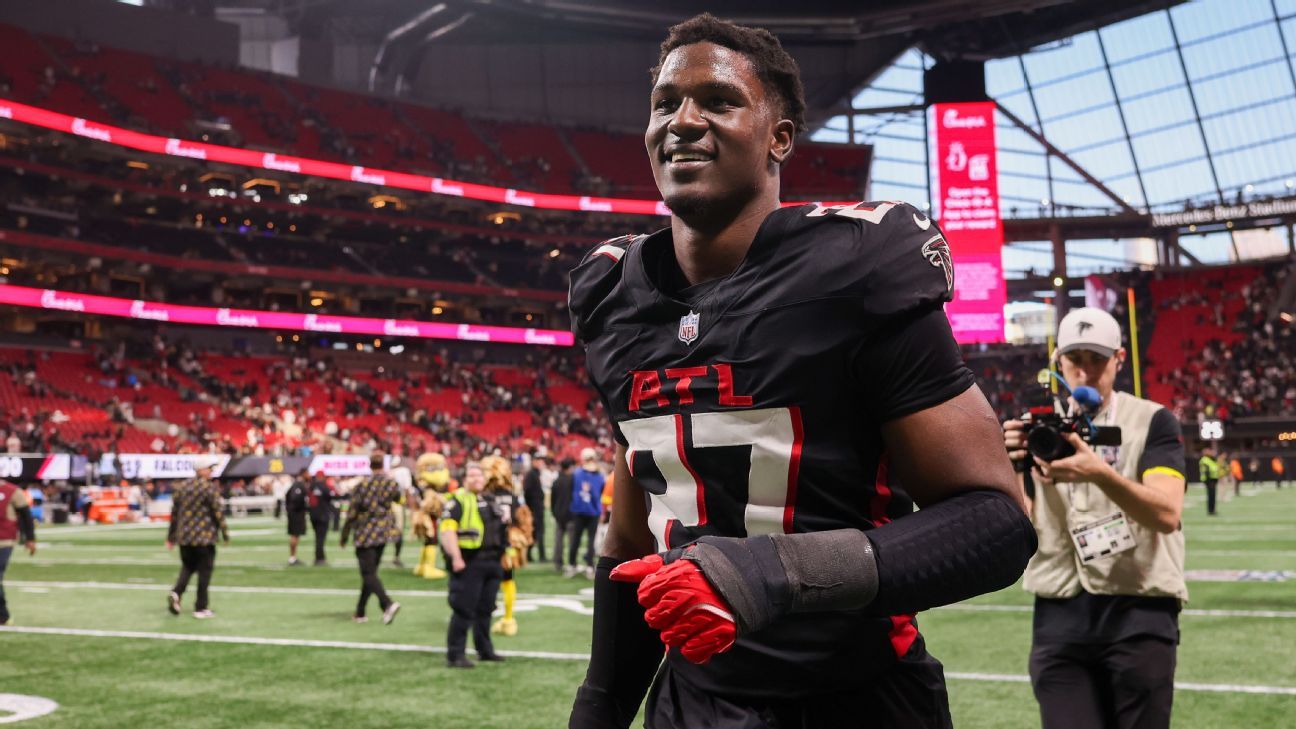
Falcons Roster Rocked by Player Arrests: A Disturbing Pattern Unfolds
The Atlanta Falcons, a prominent franchise in the National Football League, have found themselves repeatedly in the headlines not for their on-field prowess, but for a troubling series of off-field incidents involving their players. From domestic disputes to high-speed police chases and serious assault charges, the phrase "Falcons player arrested" has become an all too familiar and concerning refrain for fans and management alike. These events not only tarnish the team's image but also raise critical questions about player accountability, team oversight, and the immense pressures facing professional athletes.
This article delves into some of the most prominent recent cases, highlighting the gravity of the charges and the significant impact these incidents have on individual careers and the Falcons organization as a whole. While each situation presents unique circumstances, a common thread of legal entanglement and public scrutiny connects them, underscoring a broader challenge for the NFL.
High-Profile Incidents: From Domestic Battery to Drunken Flight
The Falcons' roster has unfortunately seen its share of legal troubles, with several key Atlanta Falcons players arrested for various serious offenses. These incidents span a range of alarming behaviors, from volatile domestic disputes to perilous encounters with law enforcement on the road, painting a concerning picture of recurring off-field challenges.
Quinn Ojinnaka: Domestic Battery and Team Suspension
One of the earlier, high-profile incidents involved offensive tackle Quinn Ojinnaka. In 2009, Ojinnaka, then 25, faced a misdemeanor charge of simple battery following an altercation at his Suwanee, Georgia home. The incident, as detailed in police reports, stemmed from an argument with his wife over a female friend on a social networking website. The dispute reportedly escalated, with allegations from his wife that Ojinnaka threw her on stairs and out of the house, while Ojinnaka claimed his wife attempted to stab him with a pen. He was booked into Gwinnett County Jail and released on a $2,400 bond.
The immediate fallout for Ojinnaka extended beyond legal proceedings. The Falcons swiftly suspended him for the season opener, sending a clear message about the team's stance on player conduct. This incident served as a stark reminder of the NFL's increasing scrutiny of domestic violence cases, even before the league implemented stricter policies in subsequent years. For athletes, personal disputes, especially when they involve allegations of violence, can have immediate and long-lasting professional consequences, impacting not only their playing time but also their reputation and future career prospects. It underscores the critical need for athletes to manage personal relationships with care and seek appropriate channels for conflict resolution, rather than resorting to aggression.
Cameron Batson: DUI, Police Scuffle, and Foot Chase
More recently, in late 2022, wide receiver Cameron Batson, a member of the Atlanta Falcons practice squad, found himself in a harrowing encounter with police that involved multiple felony charges. The incident began when Batson, 27, was pulled over on Interstate 75 around 2 a.m. for speeding and failing to maintain his lane. Police officers quickly determined Batson was intoxicated, leading to attempts to take him into custody.
What followed was a chaotic scene: a physical scuffle broke out, during which an officer discharged their weapon, though thankfully no one was hit. Batson then allegedly re-entered his vehicle and fled, only to crash his truck shortly after. The pursuit continued on foot, culminating in a manhunt that ended with authorities locating Batson hiding in the area. Both Batson and the officer involved required hospital treatment for their injuries. The Atlanta Falcons released a brief statement, acknowledging the incident and stating they were gathering information, a standard response to ongoing legal matters.
This incident highlights the extreme dangers posed by driving under the influence (DUI) and the potentially catastrophic consequences of resisting arrest and attempting to evade law enforcement. Such actions not only jeopardize the lives of the player and police officers but also innocent bystanders. For a professional athlete, a DUI arrest alone can lead to significant penalties from the league, but adding assault on an officer, fleeing, and a police chase dramatically increases the severity of the legal and professional repercussions. The league's substance abuse policies are stringent, and incidents involving violence against law enforcement carry an even heavier weight.
James Pearce Jr.: Aggravated Battery, Stalking, and a High-Speed Pursuit
The most recent and perhaps most alarming incident involves rookie linebacker James Pearce Jr., arrested in February 2024 in South Florida. The 22-year-old defender faces an array of serious charges, including two counts of aggravated battery with a deadly weapon, aggravated stalking, and fleeing police while emergency signals were active. The incident reportedly involved Los Angeles Sparks player Rickea Jackson, suggesting a deeply concerning domestic context.
The situation escalated into a police chase after officers attempted to stop Pearce's vehicle, ending with a crash. Authorities allege Pearce left the initial scene before being located and taken into custody. He was booked into Miami's Turner Guilford Knight Correctional Center, with bail yet to be established due to the severity of the charges. The Falcons again issued a statement, acknowledging the arrest and indicating they were in the process of gathering information.
These charges, particularly aggravated battery with a deadly weapon and aggravated stalking, carry significant legal penalties, including potential prison time. For a rookie athlete, such a severe legal entanglement can derail a career before it even truly begins. The NFL has a zero-tolerance policy for domestic violence and serious violent offenses, and a conviction or even a plea deal in such a case would likely result in a lengthy suspension or even a ban from the league. This case not only underscores the serious consequences of interpersonal violence but also the profound impact that off-field conduct can have on a young player's professional future. It serves as a stark reminder of the critical importance of personal conduct, especially for those in the public eye.
The Broader Implications for the Atlanta Falcons
These repeated instances where a "Falcons player arrested" becomes national news create significant challenges for the franchise. First and foremost, they reflect poorly on the team's image and brand. Fans, sponsors, and the wider public expect professional athletes to uphold certain standards of conduct, both on and off the field. A recurring pattern of serious legal issues erodes trust and diminishes the team's standing.
Beyond public perception, these incidents have tangible impacts on team operations. Suspensions and legal entanglements mean players are unavailable, affecting roster depth, game-day strategies, and overall team performance. Furthermore, managing these crises diverts organizational resources—time, legal counsel, public relations efforts—that could otherwise be focused on football-related matters. The legal troubles mount for Atlanta Falcons players, leading to charges and suspensions, which can also create an unsettling environment within the locker room, impacting team morale and cohesion. Building a championship-caliber team requires not just talent but also discipline and focus, qualities that are undermined by a continuous cycle of off-field controversies.
Accountability, Prevention, and the Path Forward
The recurring nature of these incidents prompts a deeper look into accountability and prevention. While every individual is responsible for their own actions, professional sports organizations, including the Falcons and the NFL, have a role to play in fostering an environment that encourages responsible conduct.
- Player Education and Support: Teams often provide resources such as counseling, anger management courses, and substance abuse programs. However, the effectiveness of these programs needs constant evaluation and adaptation to address the complex challenges players face, including immense pressure, sudden wealth, and public scrutiny.
- Clearer Expectations and Enforcement: The NFL's personal conduct policy is robust, but consistent and transparent enforcement is crucial. Players need to understand the severe consequences of their actions, both legally and professionally, and that the league will act decisively.
- Due Diligence in Scouting: While talent is paramount, teams must also consider character and maturity during the scouting and drafting process. Investing in psychological assessments and background checks can help identify potential red flags early on.
- Leadership from Within: Veteran players and team leaders play a vital role in setting an example and mentoring younger teammates, fostering a culture of responsibility and mutual support.
Ultimately, the onus remains on the individual player to make sound choices. However, a comprehensive approach involving continuous education, strong enforcement, and robust support systems from the team and the league can contribute to mitigating these unfortunate occurrences.
Conclusion
The recent spate of arrests involving Falcons players—from Quinn Ojinnaka's domestic battery charge to Cameron Batson's DUI and police chase, and James Pearce Jr.'s grave allegations of aggravated battery and stalking—casts a long shadow over the franchise. These incidents are not isolated events but form a disturbing pattern that demands serious attention. They serve as a harsh reminder that the immense privilege and platform afforded to professional athletes come with an equally immense responsibility. For the Atlanta Falcons, addressing these persistent off-field issues is not merely a matter of damage control; it is crucial for upholding their integrity, ensuring player well-being, and ultimately, building a successful and respected organization both on and off the field.